
Quick answer
Before shutdown or turnaround work in Qatar, every team entering process areas or confined spaces needs a calibrated 4-gas detector (oxygen, flammable gas/LEL, H2S and carbon monoxide), bump tested before each day's use, plus task-specific PPE: head, eye, hearing, hand, foot and respiratory protection. Plan quantities early: during the November–March maintenance season, detectors, sensors, calibration gas and PPE are in high demand across Ras Laffan, Mesaieed and Dukhan.
Why the Cooler Months Are Shutdown Season in Qatar
Qatar's summer heat makes long outdoor maintenance work difficult. The Ministry of Labour bans outdoor work from 10:00 a.m. to 3:30 p.m. between 1 June and 15 September, and work must stop on any site where the heat stress (WBGT) index exceeds 32.1°C. Many plants therefore schedule major shutdowns, turnarounds and inspections for the cooler months.
A shutdown puts hundreds of extra workers, many of them contractors, into process areas, vessels and tanks at the same time. That is exactly when gas exposure, oxygen deficiency and injury risks are highest, and when safety equipment runs short.
The Gas Hazards During a Shutdown
- Hydrogen sulphide (H2S): toxic, common in sour gas, crude and wastewater systems. At higher concentrations it deadens the sense of smell, so you can't rely on the "rotten egg" odour.
- Flammable gases and vapours (LEL): hydrocarbons left in lines and vessels after draining and purging.
- Oxygen deficiency: nitrogen purging and inerting can displace oxygen in vessels and pits, often with no warning signs.
- Carbon monoxide (CO): from engines, generators and hot work in poorly ventilated areas.
- Other toxic gases: such as SO2, NH3 or Cl2, depending on the process. These may need extra sensors.
Choosing the Right Gas Detector
| Detector type | Best for |
|---|---|
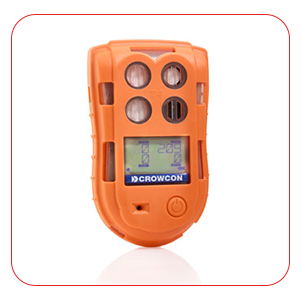
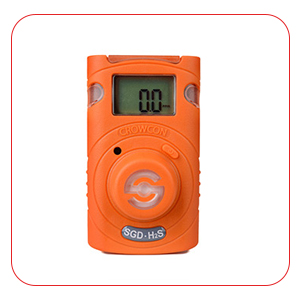
| Single-gas personal monitor (e.g. H2S) | Personal protection for every worker in an area with one known hazard |
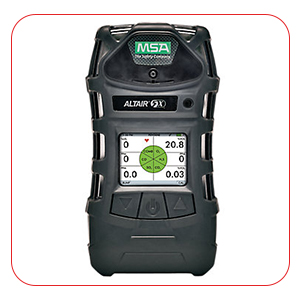
| Portable 4-gas detector (O2, LEL, H2S, CO) | Confined space entry, permit-to-work gas testing, general shutdown work |
| Multi-gas detector with pump | Testing a vessel or manhole from outside before anyone enters |
| Area monitors | Temporary perimeter monitoring around work zones and hot work |
| Fixed gas detection systems | Permanent protection in plant rooms, compressor houses and process units |
For oil & gas sites, check that portable detectors carry the right hazardous area certification (ATEX or IECEx) for the zone where they will be used. See our gas detection range.
Typical Gas Detector Alarm Settings
Many detectors ship with alarm levels similar to these. Always use the values set by your site's safety procedures and the manufacturer.
| Gas | Low alarm (typical) | High alarm (typical) |
|---|---|---|
| Oxygen (O2) | 19.5% vol (deficiency) | 23.5% vol (enrichment) |
| Flammable (LEL) | 10% LEL | 20% LEL |
| Hydrogen sulphide (H2S) | 5–10 ppm | 10–15 ppm |
| Carbon monoxide (CO) | 25–35 ppm | 100–200 ppm |
Normal air contains about 20.9% oxygen. Any reading below that inside a vessel means something is displacing the air, so investigate before entry.
Bump Testing and Calibration
Bump test: before each day's use
A bump test briefly exposes the detector to a known test gas to prove that the sensors respond and the alarms work. Most manufacturers recommend a bump test before each day's use. A detector that fails the bump test must not be used until it is calibrated or repaired.
Calibration: at the manufacturer's interval
Calibration adjusts the detector to read accurately against a certified gas. Follow the manufacturer's interval, and calibrate after a failed bump test, a sensor change or exposure to high gas levels.
Keep it working in Qatar's conditions
- Store detectors away from direct sun and hot vehicles; heat shortens sensor and battery life.
- Check sensor expiry dates before the shutdown and order replacements early.
- Keep enough calibration gas and spare filters for the whole shutdown.
- Record every bump test and calibration; many permit-to-work systems require proof.
PPE Checklist by Task

| Task | Minimum PPE to plan for |
|---|---|
| General plant access | Safety helmet, safety glasses, safety shoes, FR coveralls, gloves |
| Confined space entry | 4-gas detector, harness and retrieval line, respiratory protection as assessed, communication |
| Hot work (welding, cutting) | Welding helmet or face shield, leather gloves, FR clothing, fire watch with extinguisher |
| Grinding and blasting | Face shield over glasses, hearing protection, dust respirator |
| Chemical cleaning | Chemical goggles, chemical-resistant gloves and suit, respirator with suitable cartridges |
| Working at height | Full-body harness, double lanyard, helmet with chin strap |
| Noisy areas (compressors, turbines) | Earplugs or earmuffs rated for the noise level |
| Handling sharp or heavy items | Cut-resistant gloves, safety shoes or boots |
Pre-Shutdown Gas Detection and PPE Checklist
- Count workers per shift, including contractors, and the number of confined spaces and hot work areas.
- Check every portable detector: battery, sensor expiry, last calibration date and bump test result.
- Order replacement sensors, calibration gas, filters and spare detectors at least 4–6 weeks ahead.
- Set alarm levels to match your site procedures, and make sure they are the same on every unit.
- Set up a bump test station at the permit office or gate.
- Order PPE by size and task, with at least 10–20% spare for visitors, damage and new starters.
- Train all entrants on detector use, alarm response and evacuation.
- After the shutdown, collect, clean and recalibrate detectors, and record what ran short for next time.
Frequently Asked Questions
What gases does a 4-gas detector measure?
A standard 4-gas detector measures oxygen (O2), flammable gases as a percentage of the lower explosive limit (LEL), hydrogen sulphide (H2S) and carbon monoxide (CO).
How often should a gas detector be bump tested?
Most manufacturers recommend a bump test before each day's use. Calibrate at the manufacturer's interval and after any failed bump test.
What is the difference between a bump test and calibration?
A bump test checks that the sensors and alarms respond to gas. Calibration adjusts the detector so its readings are accurate against a certified gas concentration.
What oxygen level is safe for confined space entry?
Most procedures treat 19.5% to 23.5% oxygen as the acceptable range. Normal air is about 20.9%. Always follow your site's permit-to-work rules.
Where can I buy gas detectors and PPE in Qatar?
Power & Control Trading W.L.L. in Doha supplies portable gas detectors, sensors and safety PPE, including head, eye, hearing, respiratory, hand and foot protection, with delivery across Qatar. Call or WhatsApp +974 7133 7700.
Planning a Shutdown? Get Your Safety Supplies Early
Send us your headcount and task list and we'll quote gas detectors, sensors and PPE for the full shutdown, delivered to your site in Qatar.
Sources
- The Peninsula, "Work must be suspended at sites where WBGT index exceeds 32.1°C: Labour Ministry" (2 June 2026)
- Qatar Ministry of Labour, Ministerial Decision No. 17 of 2021 on heat stress