
Quick answer
A critical spare part is any part whose failure would stop production or create a safety risk, and that can't be bought quickly. To avoid downtime, Qatar plants should rank parts by criticality and lead time, keep the high-risk items in stock on site or with a local supplier in Doha, and review the list every 6–12 months. Bearings, solenoid valves, pressure switches, contactors, gauges and gas detector sensors are among the parts most often missing when a line stops.
Why Spare Parts Planning Matters Now
Two developments make spare parts planning a priority for Qatar's maintenance teams this season:
- New LNG capacity is coming online. Reports in October 2026 said the first train of QatarEnergy's North Field East expansion, described as the world's largest LNG project, was ready to start up, with LNG production expected in 2027. New plants and their contractors will compete for the same instruments, valves, electrical parts and safety equipment as existing sites.
- Lead times are less predictable. Regional shipping disruption in 2026 showed how quickly a two-week delivery can become two months. Plants that relied on ordering parts only after a failure faced the longest stoppages.
An hour of unplanned downtime usually costs far more than the part that caused it. A clear critical spares strategy is one of the cheapest ways to protect output.
What Makes a Spare Part "Critical"?
A part is critical when the answer is "yes" to at least one question in each of these two groups.
Impact of failure
- Would it stop or slow production?
- Would it create a safety, fire or environmental risk?
- Would it break a legal or contract requirement (for example a gas detector or fire alarm)?
Difficulty of replacement
- Is the lead time longer than the downtime you can accept?
- Is it a specific brand or model required by your approved vendor list?
- Is it obsolete or hard to cross-reference?
How to Build a Critical Spares List in 6 Steps
Step 1: List your critical equipment
Start with equipment, not parts. List the compressors, pumps, conveyors, packaging lines, chillers, control panels and safety systems that keep the site running.
Step 2: Break each machine into wear and failure parts
For each machine, record the parts that wear or fail: bearings, seals, belts, valves, cylinders, sensors, contactors, relays, fuses, gauges, filters and batteries. Note the brand, part number and quantity fitted.
Step 3: Score each part
| Score | Impact if it fails | Lead time |
|---|---|---|
| 3: High | Stops production or creates a safety risk | More than 4 weeks or uncertain |
| 2: Medium | Slows production; a workaround exists | 1–4 weeks |
| 1: Low | No production impact | Available locally within days |
Multiply impact by lead time. Parts scoring 6–9 should be in stock. Parts scoring 3–4 should be held by a local supplier under agreement. Parts scoring 1–2 can be ordered when needed.
Step 4: Set minimum stock levels
For each stocked part, set a minimum quantity and a reorder point. Use failure history: if you replace a valve three times a year and lead time is two months, keep at least one in stock.
Step 5: Standardise and cross-reference
Many sites stock five brands of the same valve or bearing. Where your specifications allow, standardise on fewer brands and sizes. Fewer part numbers means less money tied up in stock and faster repairs.
Step 6: Review every 6–12 months
Update the list after every shutdown, equipment change and supplier change. Remove obsolete parts and add new ones.
Commonly Missed Critical Spares
These are parts maintenance teams often discover they don't have when a line stops:
| Category | Parts to review |
|---|---|
| Pneumatics | Solenoid valves and coils, cylinder seal kits, push fittings, tubing, FRL units, gas springs, valve actuators |
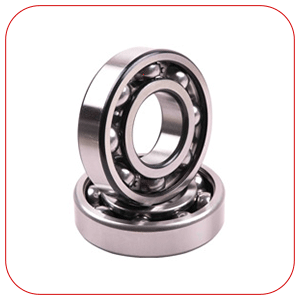
| Mechanical | Bearings (NSK, FAG), V-belts, couplings, oil seals, mechanical seals |
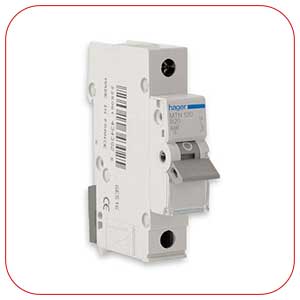
| Electrical | Contactors, overload relays, motor starters, MCBs, fuses, control transformers, cables |
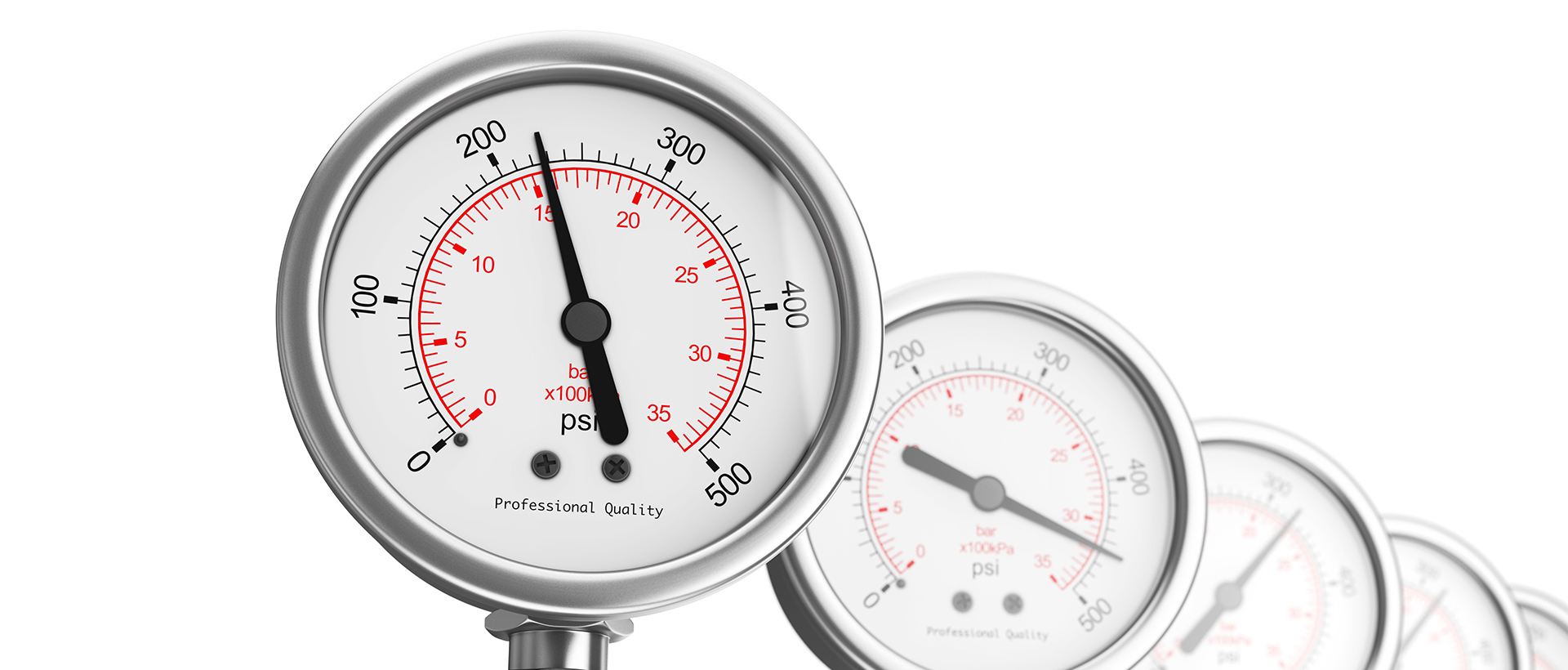
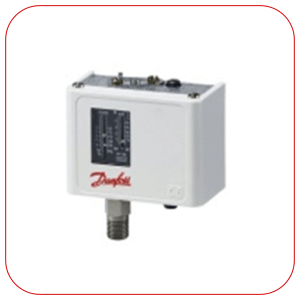
| Instrumentation | Pressure gauges, pressure and temperature switches, transmitters, proximity sensors |
| Safety | Gas detector sensors and calibration gas, PPE stock for shutdowns |
| Fire alarm | Detectors, call points, sounders and backup batteries |
| Refrigeration | Pressure controls, gauges, thermostats, expansion valves, contactors |
| Batteries | UPS, panel and fire alarm backup batteries (heat shortens their life, so check dates) |
5 Spare Parts Mistakes to Avoid
- Stocking by habit, not by risk. Stores fill up with fast-moving cheap parts while the one valve that stops the plant is missing.
- No part numbers recorded. "A blue valve on line 3" can't be ordered. Photograph nameplates and record full part numbers.
- Poor storage. Heat and humidity damage rubber seals, batteries and electronics. Store spares in a cool, dry, sealed area and rotate stock.
- Ignoring obsolescence. When a manufacturer discontinues a part, find the replacement before it fails, not after.
- Buying non-genuine parts to save money. Counterfeit bearings and valves fail early and can void warranties. Buy from a supplier who can show traceability.
Why a Local Supplier in Qatar Matters
You don't need to hold every critical part yourself. A local supplier can share the load:
- Local stock: common critical items held in Doha for immediate delivery, depending on the quantity required.
- Agreed stock: parts reserved for your site under a supply agreement.
- Cross-referencing: help finding equivalents for obsolete or hard-to-source parts.
- One order for many categories: pneumatics, bearings, electrical, instrumentation and safety from one supplier, so fewer purchase orders and faster approvals.
Frequently Asked Questions
What is a critical spare part?
A critical spare part is a part whose failure would stop production or create a safety risk, and that can't be replaced quickly because of long lead times or limited availability.
How do I decide which spare parts to keep in stock?
Score each part by the impact of its failure and its lead time. Stock the parts with high impact and long lead times, and arrange for a local supplier to hold medium-risk items.
How often should a critical spares list be reviewed?
Every 6–12 months, and after any shutdown, equipment change or supplier change.
How should spare parts be stored in Qatar's climate?
Keep them in a cool, dry, enclosed store away from direct sun. Rubber seals, batteries and electronic parts are especially sensitive to heat and humidity, so rotate stock using first-in, first-out.
Where can I buy industrial spare parts in Qatar?
Power & Control Trading W.L.L. in Doha supplies pneumatic, mechanical, electrical, instrumentation, safety, refrigeration and battery spare parts, with delivery across Qatar. Email sales@pctqatar.com or call +974 7133 7700.
Send Us Your Critical Spares List
Share your part list and we'll confirm what we can supply from stock in Doha, give lead times for the rest and suggest equivalents for obsolete items.
Sources
- Reuters via BOE Report, "QatarEnergy's LNG expansion project poised to start operations in November, sources say" (7 October 2026)